After a trade show, visitors remember the follow-up
Where exhibitors and visitors diverge, from a Japanese survey of 536 exhibitors and 1,089 visitors (Trade Show White Paper, July 2026), and what changes when you measure inside the booth.
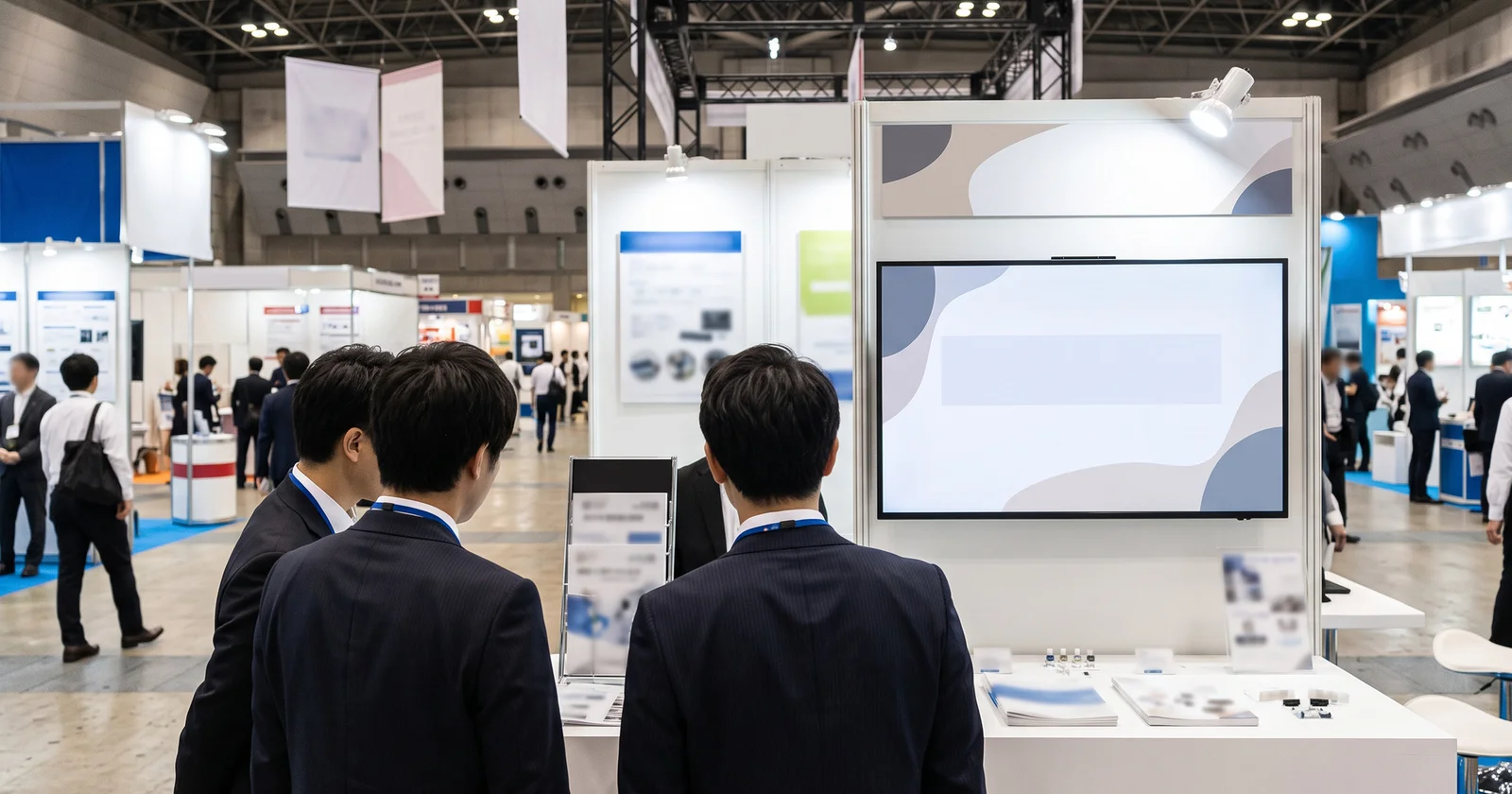
87.1% of trade show exhibitors in Japan plan to keep or expand their presence. Yet 71.6% of business visitors have felt dissatisfied or stressed by the follow-up they received after a show. The effort that goes into exhibiting is not matched by what happens afterward.
This post summarizes the public findings of the Trade Show White Paper released on July 7, 2026 by Tenjikai Eigyo Marketing, a Japanese trade show marketing firm. The online survey ran in April 2026 and covered 536 people who handled exhibiting in the past year and 1,089 employees who visited a trade show for work. It is one private company's survey, so read it with that in mind.
The numbers
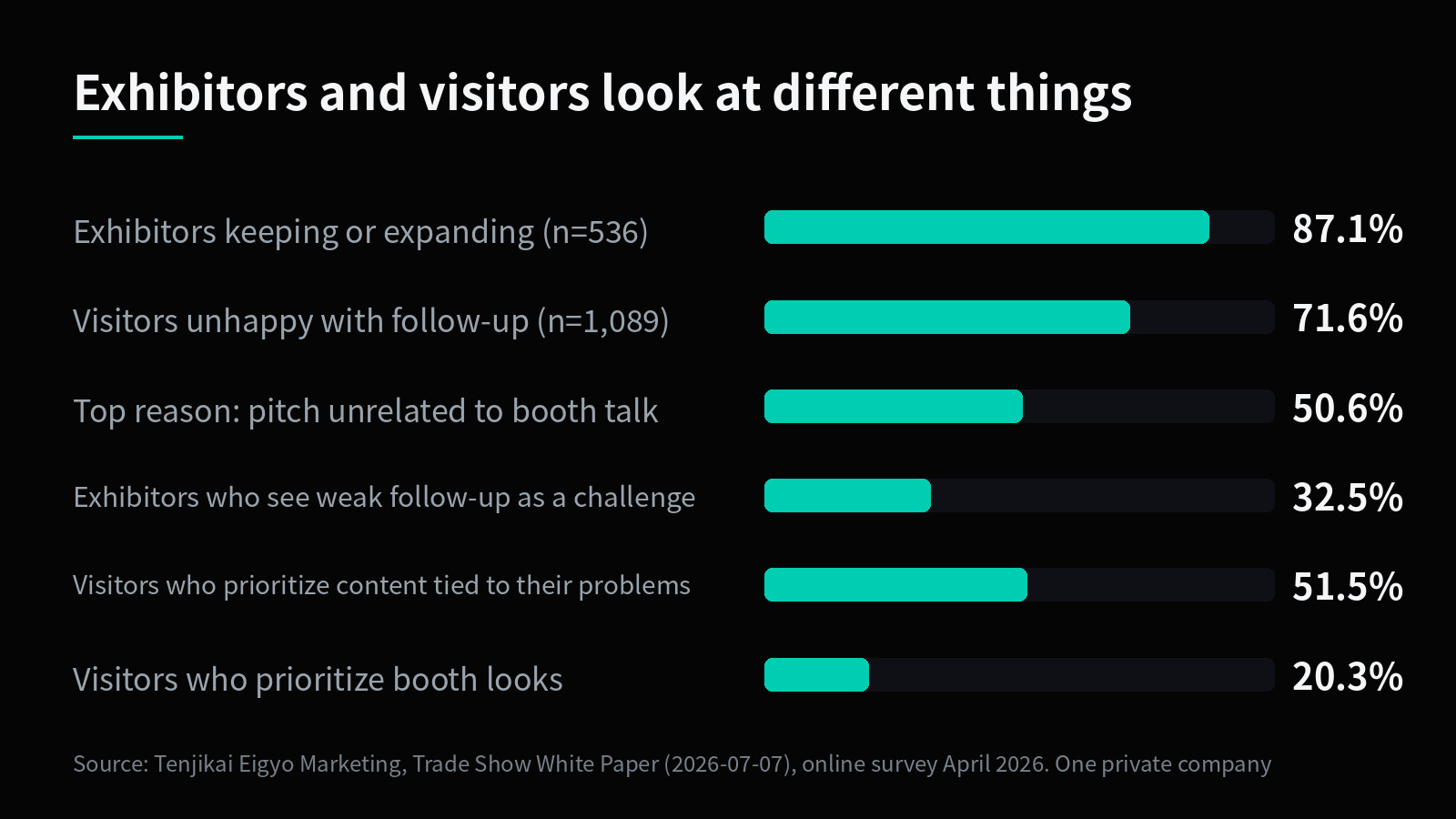
- 87.1% of exhibitors plan to keep or expand exhibiting
- 71.6% of visitors have felt dissatisfied or stressed by post-show follow-up
- Top reason: sales pitches unrelated to what was discussed at the booth (50.6%), followed by pushy selling after only swapping business cards (43.2%)
- 32.5% of exhibitors see weak follow-up as a challenge
Exhibitors count volume, visitors look for relevance
On the show day, exhibitors prioritize approaching as many visitors as possible (42.7%) and drawing eyes with booth design (37.5%).
Visitors, on the other hand, stop at a booth for content tied to their own business problems (51.5%). Booth looks matter to 20.3%. The booths that beat expectations most often let visitors talk directly with developers or engineers (49.1%).
Follow-up starts inside the booth
Follow-up goes wrong for a simple reason: the same sales email goes out without knowing what people were interested in at the booth. Counting business cards does not capture that.
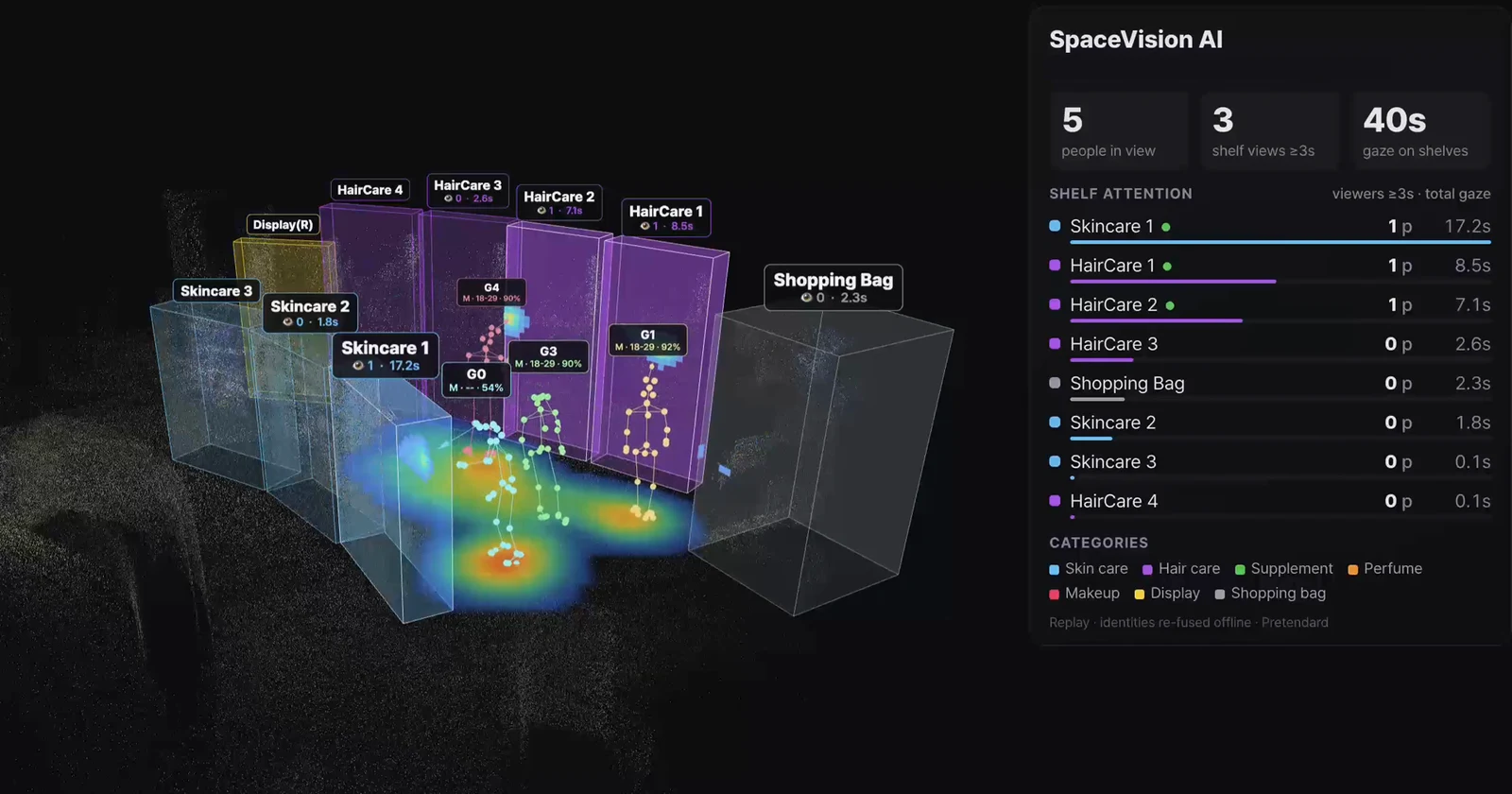
Measure which exhibits made people stop and how long they looked, and you know what drew interest at the show level. The number to watch is high-engagement dwellers: people who stayed at an exhibit for a minute or more and actually looked at it. It separates a passing glance from a real look at the product.
What changes when you measure the booth
Say an industrial equipment maker splits its booth at a three-day show into four zones: the entrance screen, the physical machine, a demo screen and the meeting table.
- First show: 4,200 people visited the booth, but only 610 were high-engagement dwellers. 380 of them gathered at the physical machine, while the demo screen the team invested in most held just 90
- Next show: The demo screen moves next to the machine, and an engineer explains it on the spot. High-engagement dwellers rise 43%, from 610 to 870, and meeting requests go from 48 to 71
- Follow-up: Instead of one generic sales email, the cards collected at the meeting table get field cases for the machine that drew the most interest that day
Booth traffic was about the same at both shows. What changed was the number of people who stayed and really looked, and what the follow-up talked about. It also fits the white paper: the booths visitors rated highest were the ones where they could talk directly with engineers.
Changing what happens after the show
- Measure response per exhibit. Look beyond booth visitors to how many looked at each exhibit, for how long, and how many stayed a minute or more
- Match follow-up to response. Send the cases and materials linked to the exhibits that drew interest first
- Feed it into the next show. Move or reframe exhibits with few high-engagement dwellers and measure again on the same basis
FAQ
Is this only about Japan?
The survey covers exhibitors and visitors in Japan, so it may not apply as is elsewhere. Still, exhibitors counting volume while visitors look for relevance will sound familiar to anyone who has run a booth.
How is the booth measured?
A small camera about the length of a finger sits on top of a booth screen or display stand, and an analysis device at the booth processes the video. Raw video is processed only inside that device, and only anonymous counts, such as how many people looked at each exhibit and for how long, go to the server.
At your next show, record which exhibits held people's attention the longest, not just how many cards you collected. Get in touch if you want to measure your booth.